OpenAI Previews GPT-5.6: Sol, Terra, and Luna Model Tiers
OpenAI launched a limited preview of GPT-5.6 on June 26 with three durable model tiers — Sol (flagship), Terra (balanced), and Luna (low-cost) — available via API and Codex to trusted partners, with a broader rollout planned in the coming weeks.
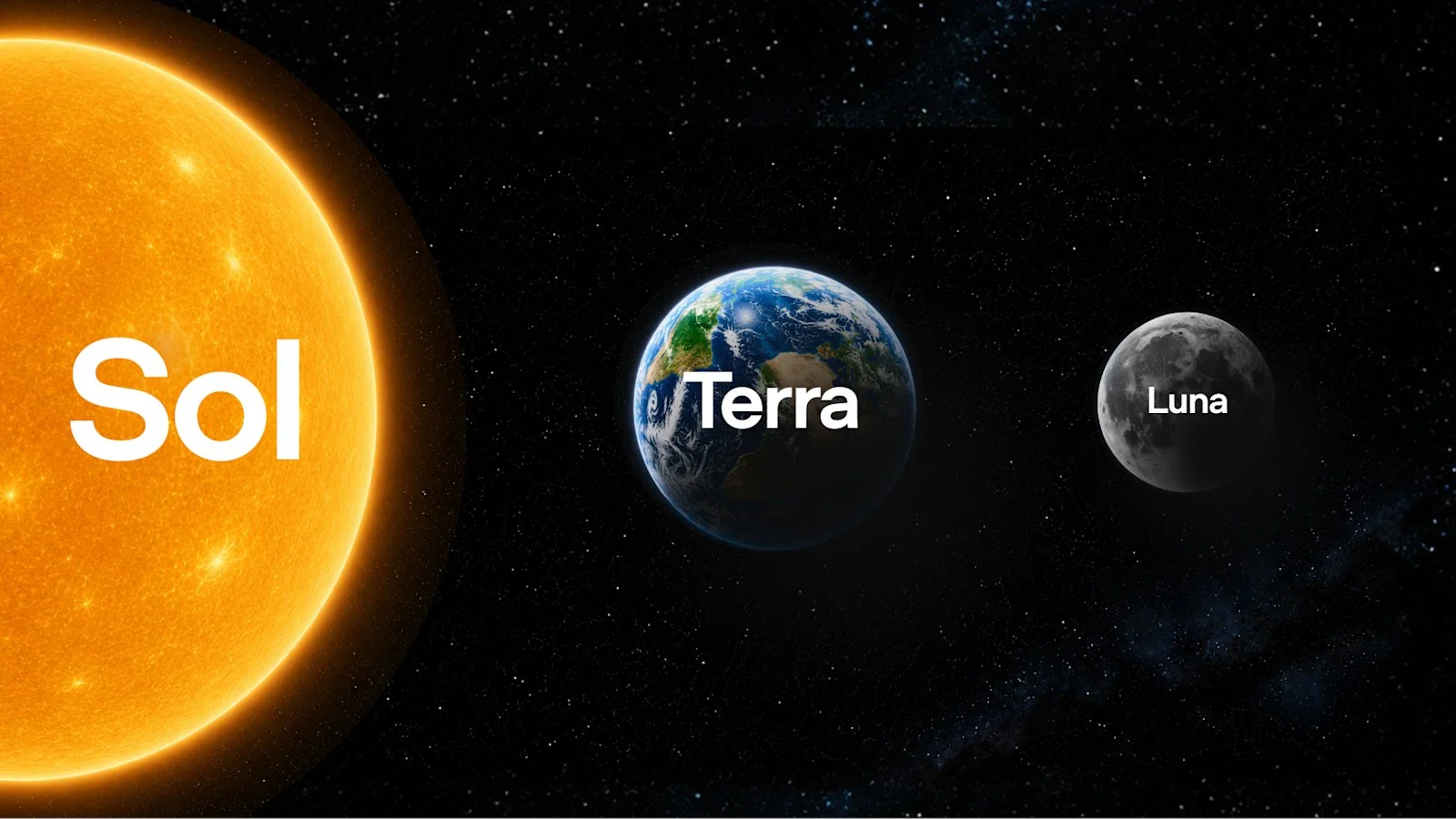
Image by CWA
OpenAI Restructures Its Model Line With GPT-5.6 Sol, Terra, and Luna
OpenAI launched a limited preview of GPT-5.6 on June 26, 2026 — and the packaging is as notable as the capability gains. For the first time, the company shipped three models simultaneously under a new naming system: Sol (flagship), Terra (everyday balanced work), and Luna (fast and low-cost). Each tier carries a durable name that can advance independently, replacing the minor-version numbering that has defined OpenAI releases to date.
Access is restricted at launch. At the US government's request, the preview is available only through the OpenAI API and Codex to a small group of roughly 20 trusted partner organizations whose participation has been shared with the administration. GPT-5.6 is not in ChatGPT during the preview period, and there is no public waitlist. Broader availability is planned in the coming weeks.
What GPT-5.6 Adds
Sol is OpenAI's strongest model to date. The company reports gains across coding, cybersecurity, and biology, alongside two new inference controls: max reasoning effort, which gives Sol more time to reason deeply, and ultra mode, which coordinates multiple subagents to tackle work that exceeds what a single-model pass can handle.
On Terminal-Bench 2.1, Sol in ultra mode scores 91.9% — edging past Claude Mythos 5 according to OpenAI's internal figures. On ExploitGym, developed by UC Berkeley in collaboration with OpenAI and other frontier labs, all three GPT-5.6 models show improved cyber capabilities as reasoning increases. OpenAI states Sol does not cross its Cyber Critical threshold and describes it as better suited for defensive security work than for end-to-end offensive attacks.
Terra matches GPT-5.5 performance at roughly half the cost. Luna is OpenAI's lowest-cost option to date. Both are designed for workloads where Sol's reasoning depth is unnecessary.
Pricing
GPT-5.6 introduces a revised prompt caching model alongside standard per-token rates:
| Model | Input | Output |
|---|---|---|
| Sol | $5 / 1M tokens | $30 / 1M tokens |
| Terra | $2.50 / 1M tokens | $15 / 1M tokens |
| Luna | $1 / 1M tokens | $6 / 1M tokens |
Cache writes are billed at 1.25× the uncached input rate; cache reads receive the standard 90% discount. A 30-minute minimum cache life makes caching more predictable for agentic workflows. OpenAI also plans to launch Sol on Cerebras hardware in July at up to 750 tokens per second for select customers — a significant latency improvement for interactive applications.
The Government-Coordination Angle
The restricted rollout is a direct result of a US government request. OpenAI previewed GPT-5.6's capabilities with the administration before launch and agreed to start with a limited cohort before a public release. OpenAI pushed back on the arrangement:
"We don't believe this kind of government access process should become the long-term default. It keeps the best tools from users, developers, enterprises, cyber defenders, and global partners who need them."
This makes GPT-5.6 the second major frontier-model release in a single evening shaped by US government oversight — Anthropic's partial Mythos 5 restoration was reported the same night.
What's Not Yet Confirmed
Broad public API and ChatGPT availability dates have not been announced. Codex access is separate from API access and requires confirmation from an OpenAI account representative. Benchmark numbers are OpenAI-reported; independent evaluation data has not yet been published. The Cerebras inference tier has no specific date beyond "July." There is no public application process for early access.