OpenAI Workspace Agents Replace GPTs: Codex Now Automates Team Dev Workflows
OpenAI launched Workspace Agents in ChatGPT on April 22 — Codex-powered cloud bots that replace custom GPTs, write code, and automate multi-step team workflows around the clock. Free until May 6.
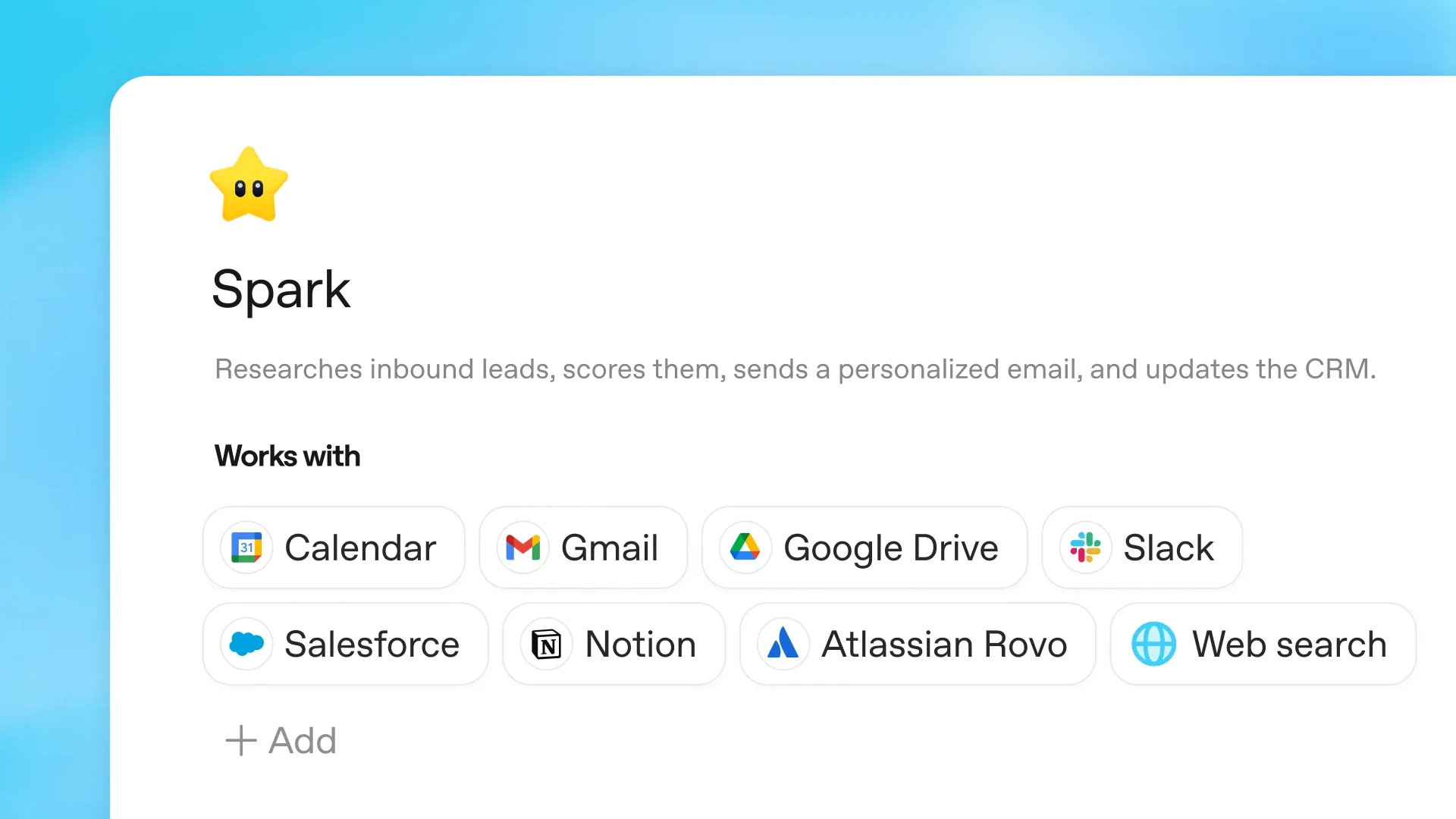
Image by OpenAI
OpenAI Workspace Agents Replace Custom GPTs: Codex Now Runs Your Dev Workflows Around the Clock
OpenAI launched Workspace Agents in ChatGPT on April 22, marking one of the most significant platform changes since it introduced custom GPTs — and this time, the focus is squarely on automating the kind of complex, recurring work that developers and engineering teams do every day.
The new feature, available in research preview for ChatGPT Business, Enterprise, Edu, and Teachers plans, lets teams build shared AI agents powered by OpenAI's Codex model. Unlike GPTs — which were largely individual, single-session tools — Workspace Agents run continuously in the cloud, can be triggered on a schedule or by events, and are designed to be shared across an organization. They can write code, respond to messages, prepare reports, and execute multi-step workflows even when no one is actively watching.
A Meaningful Upgrade Over Custom GPTs
OpenAI has been direct about the positioning: Workspace Agents are "an evolution of GPTs." The company says existing GPTs will remain available while teams test the new system, and it plans to make it easy to convert GPTs into Workspace Agents later.
The difference in scope is significant. Workspace Agents can connect to external tools including Google Drive, Google Calendar, Slack, and SharePoint, extend further with custom MCPs, files, skills, and image generation, and integrate directly into Slack channels to respond to real-time requests. They can also be configured with two authentication modes — user-by-user access or a shared agent-owned account — making them behave more like internal workflow software than a chat assistant.
For developers, the most immediately useful application may be in code automation. OpenAI highlighted a Software Reviewer agent that triages software requests, enforces policy, routes approvals, and opens IT tickets — automating a common friction point in engineering team workflows. Other Codex-powered agent templates cover finance, sales, and marketing workflows, with custom MCPs enabling teams to extend further into their own tooling.
The Codex Connection
Workspace Agents are built on OpenAI's Codex, which the company has been aggressively expanding in recent weeks. More than 4 million developers were using Codex weekly as of late April — up from 3 million just two weeks prior. Enterprises including Virgin Atlantic, Ramp, Notion, Cisco, and Rakuten have deployed it across CI/CD pipelines, code review, incident response, and large repository analysis.
By embedding Codex into Workspace Agents, OpenAI is positioning the model as the backbone of a broader autonomous work platform — not just a coding assistant but a runtime for multi-step business logic that happens to include writing and executing code. OpenAI has also confirmed that Workspace Agent support is coming to the standalone Codex app, tightening the link between the two products.
Pricing Window Closes May 6
Workspace Agents are free for all eligible plans until May 6, 2026. After that, the feature shifts to credit-based pricing. OpenAI has not disclosed the credit rate per agent task, which makes it difficult for teams to forecast costs ahead of the cutover. For organizations already running agentic workflows that burn through tokens quickly — a problem that recently led GitHub Copilot to pause new sign-ups due to unsustainable per-user costs — that ambiguity is worth tracking before agents get embedded in production workflows.
What's Unconfirmed
OpenAI has not published the credit pricing structure that takes effect May 6, so total cost-of-ownership for heavy agent usage remains unknown. The company has not confirmed how Workspace Agents will interoperate with the Codex app, or whether agent-run code executes in a fully sandboxed environment. Admins can require approval before sensitive actions like editing spreadsheets or sending emails, but the full security model for agent-to-agent workflows involving external MCPs has not been detailed. For teams considering connecting these agents to production systems, the lack of a published security architecture is a gap worth monitoring before the free trial window closes.