Paul Graham's 'Taste for Makers' Resurfaces as AI Reignites Debate on Developer Aesthetics
The 2002 essay on design principles is finding new relevance as AI tools democratize software creation, shifting focus from technical execution to creative judgment.
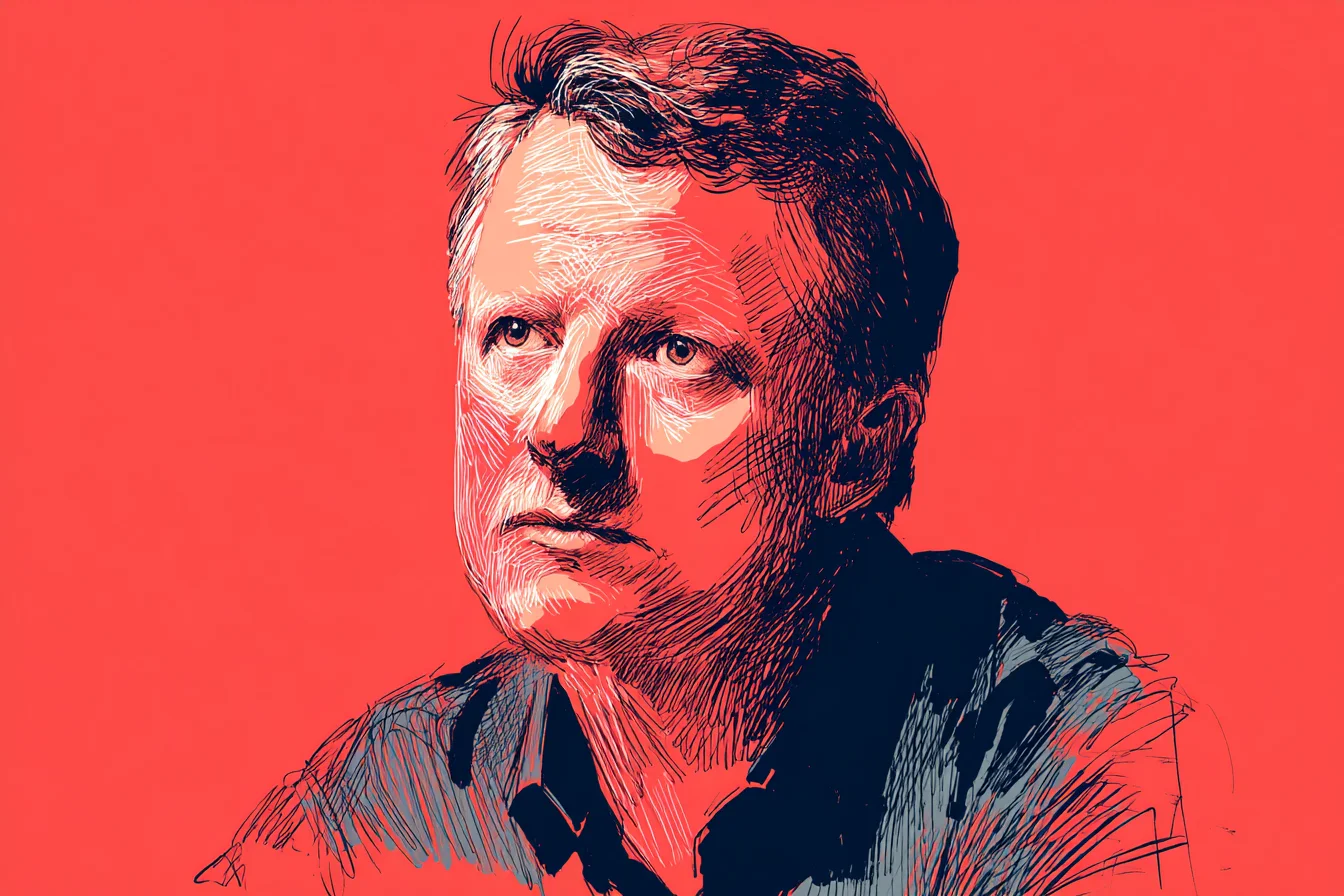
Image by CWA
A 23-year-old essay by Y Combinator co-founder Paul Graham is circulating again among developers as artificial intelligence transforms how software gets built.
Graham's "Taste for Makers," originally published in February 2002, argues that aesthetic judgment—what he calls "taste"—is a trainable skill essential to creating good work. The essay has gained fresh traction as AI coding assistants make technical execution increasingly accessible.
"When anyone can make anything, the big differentiator is what you choose to make," Graham wrote in a recent post linking back to the original essay.
The Core Argument
The essay challenges the notion that taste is purely subjective. Graham contends that dismissing aesthetic standards as personal preference creates a professional dead end.
"If taste is just personal preference, then everyone's is already perfect: you like whatever you like, and that's it," he writes. "As in any job, as you continue to design things, you'll get better at it. Your tastes will change."
Graham identifies 15 principles of good design that appear across disciplines, from mathematics to architecture. For developers, several stand out:
- Good design is simple: "In programming... a shorter proof tends to be a better one."
- Good design is suggestive: Software "should give users a few basic elements that they can combine as they wish, like Lego."
- Good design is redesign: "Experts expect to throw away some early work. They plan for plans to change."
Implications for the AI Era
The essay's relevance to current AI debates centers on a shift in developer value. As code generation becomes automated, the human role increasingly involves judgment calls: what to build, which tradeoffs to accept, and when a solution is genuinely elegant versus merely functional.
Graham draws on historical examples to argue that great work typically emerges from dissatisfaction with existing solutions. "Most of the people who've made beautiful things seem to have done it by fixing something that they thought ugly," he notes, citing Copernicus's rejection of Ptolemaic astronomy partly on aesthetic grounds.
The essay also emphasizes environmental factors. Great work "comes disproportionately from a few hotspots," Graham observes, naming the Bauhaus, Xerox PARC, and Lockheed's Skunk Works as examples. For developers, this suggests that taste develops through exposure to high-quality work and proximity to others solving similar problems.
Unresolved Questions
Whether taste can be systematically taught—or whether AI tools might eventually replicate it—remains open. Graham's essay predates modern machine learning entirely and offers no direct guidance on human-AI collaboration.
What the essay does provide is a framework for thinking about quality that extends beyond technical correctness. As AI handles more implementation details, the principles Graham outlined may become the primary domain where developers add distinct value.