Anthropic Overhauls Claude Design With Brand Controls and Code Sync
Anthropic shipped a major Claude Design update adding design system imports from GitHub repos, an admin brand-lock feature, a direct Claude Code integration via /design-sync, and exports to 9+ platforms including Adobe and Canva.
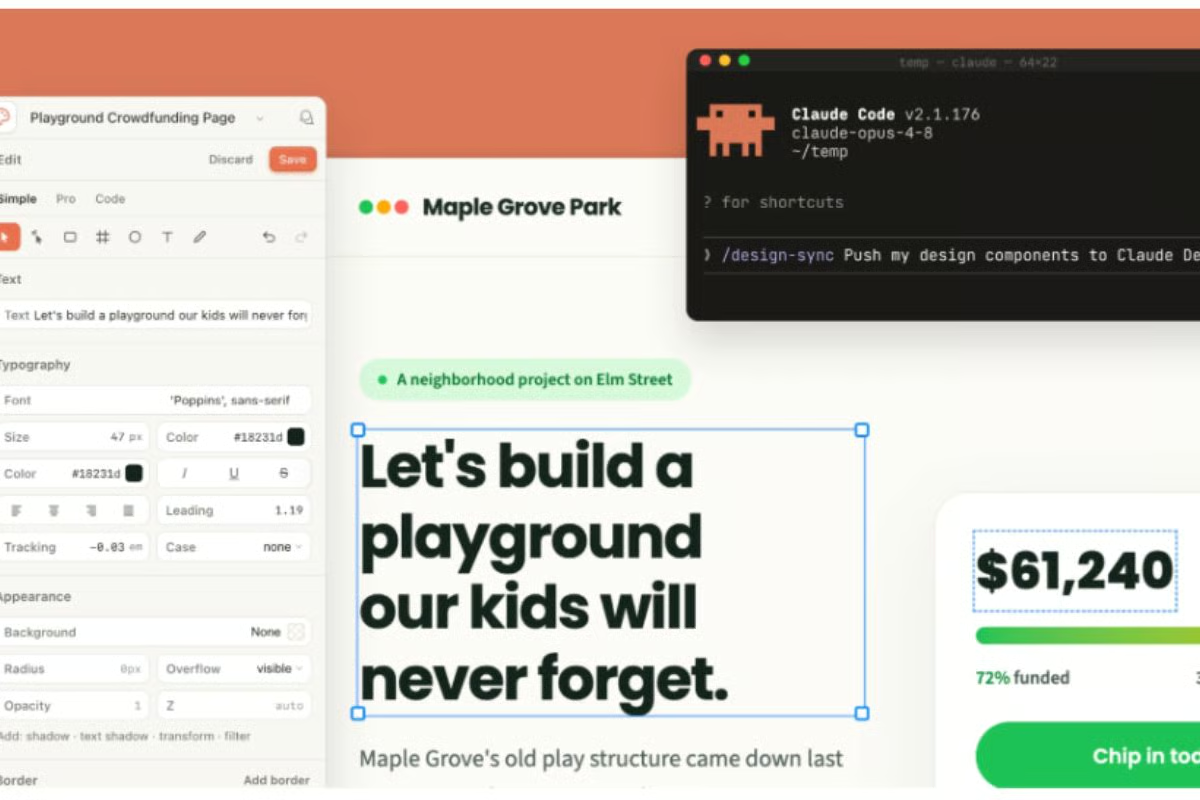
Image by Anthropic/TechRepublic
Anthropic shipped a significant update to Claude Design on June 17, moving the beta product from a fast-mockup tool toward a governed workspace that can hold its own in enterprise product and design workflows. The update is available to Claude Pro, Max, Team, and Enterprise subscribers, and was covered by TechRepublic, VentureBeat, and CNET on June 18.
Anthropic Overhauls Claude Design With Brand Controls and Code Sync
The headline capability is design system imports. Claude Design can now pull in one or more design systems from GitHub repositories, design files, or raw uploads. Once imported, Claude builds with those components, checks its own output against the design system, and makes corrections before showing results to the user. For organizations with strict brand standards, a new admin role can lock down a single approved design system and prevent edits — giving marketing, product, and design teams a guardrail against AI-generated assets that drift from approved typography, colors, spacing, and component rules.
Anthropic noted that more than one million people used Claude Design in its first week after launch.
Claude Code Integration Targets the Prototype-to-Production Gap
The most developer-relevant addition is the tighter connection between Claude Design and Claude Code. Developers can now use /design-sync to pull a design system into Claude Design directly from the terminal, and /design to create, edit, and sync design projects from Claude Code without switching surfaces.
The goal is closing the gap between what a mockup shows and what eventually ships. Historically that gap causes significant rework: engineers rebuild UIs from screenshots or static files that don't carry layout logic, spacing tokens, or component specs. With /design-sync and /design, a prototype can travel from Claude Design into Claude Code with its design system context intact. Alex Lieberman, co-founder of Morning Brew and Tenex, called the handoff "seamless" and said Claude Design had become a core part of his tech stack.
Users can also now edit designs directly on the canvas rather than only through chat prompts — a meaningful UX shift for iterative design work.
Usage Limits and Expanded Exports
Anthropic also addressed a practical pain point from Claude Design's launch: token consumption. Early reviewers burned through usage limits quickly — a PCWorld review used 80% of a weekly Claude Pro allowance in roughly 25 minutes. The update brings Claude Design into a shared usage pool with chat, Claude Cowork, and Claude Code, which Anthropic says should give most users more headroom. The company also reported the average turn now uses fewer tokens and error rates have dropped sharply.
Export and integration options expanded significantly. Users can now export to PDF and PowerPoint, or send work directly to Adobe, Base44, Canva, Gamma, Lovable, Miro, Replit, Vercel, and Wix. For enterprise teams, this moves Claude Design closer to a production handoff tool than a standalone creative experiment.
What Is Not Yet Confirmed
Claude Design remains in beta. Anthropic has not disclosed a general availability timeline, specific token costs per turn under the new shared-pool model, or details on how design system admin locking interacts with API access or MCP integrations. Teams building production design workflows on top of it should validate the admin locking and token behavior against their actual usage patterns before committing.