Cursor Announces Origin: An Agent-First Git Forge to Rival GitHub
Cursor unveiled Origin at its Compile conference — a Git hosting platform built for AI agents, not humans, targeting GitHub with 22.6 commits per second and a fall 2026 GA window.
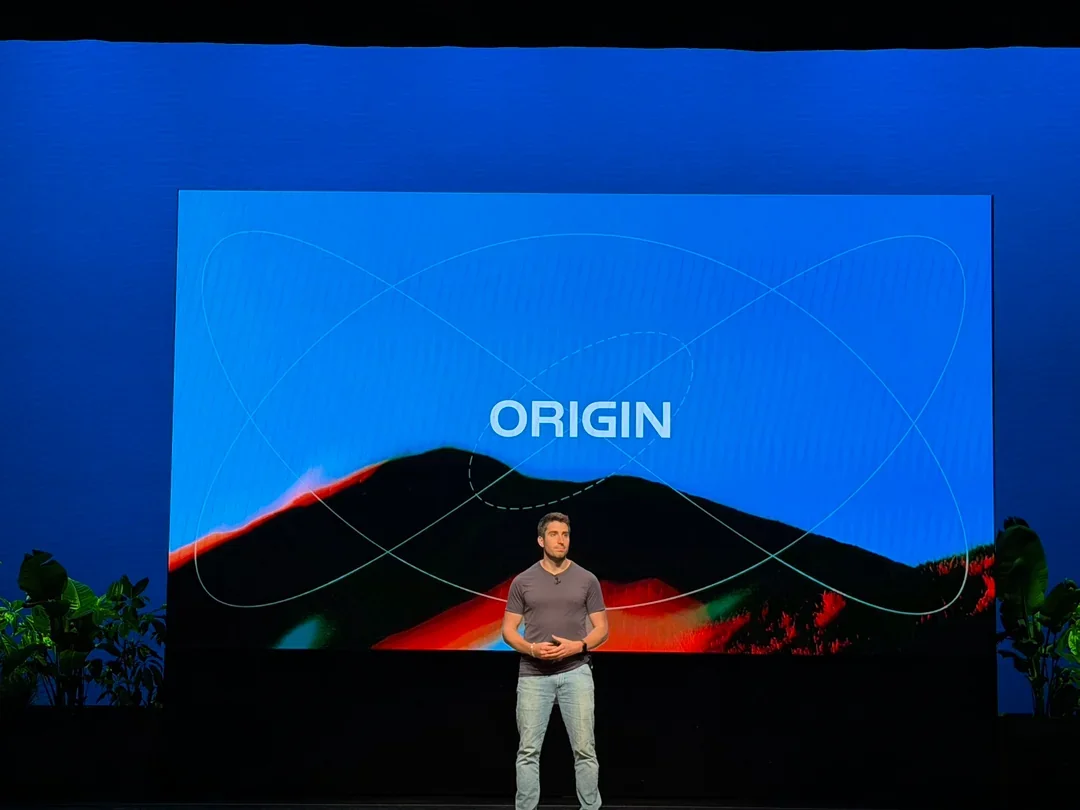
Image by CWA
Cursor unveiled Origin at its inaugural Compile conference on June 16 — a Git hosting platform designed from the ground up for AI agents rather than human developers. The announcement, posted to X by @cursor_ai the following day, drew over 286,000 views within hours and immediately framed itself as a direct challenge to GitHub at the infrastructure layer.
Cursor Announces Origin: An Agent-First Git Forge to Rival GitHub
The premise behind Origin is specific. GitHub was built to help humans collaborate on code at human speed — one developer, one branch, one pull request at a time. Origin starts from a different assumption. In a live demo at Compile, Tomas Reimers — a co-founder of Graphite, the code-review startup Cursor acquired — showed 22.6 commits per second inside a single repository, alongside hundreds of thousands of clones and pushes per hour. That is a fundamentally different load profile than anything GitHub was architected to handle. Global synchronization runs in under 400ms.
The product page tagline reads: "A git forge for the agentic era." A waitlist is open at cursor.com/origin. General availability is targeted for fall 2026. Pricing and a detailed feature roadmap have not been disclosed.
Why Origin, and Why Now
Cursor owns the editor layer. Background agents already routinely clone repositories, open branches, commit changes, and open pull requests without a human writing a single line. The bottleneck is no longer writing code — it is the review, merge, and conflict-resolution layer that sits on top of the repository. That layer currently lives on GitHub, a platform built on a decade of assumptions about human-paced development.
Origin is an explicit vertical integration play. Cursor's coding agents generate the code; Origin is designed to host and merge it — with agent context staying attached throughout the cycle rather than being passed through an external system. One engineer may be overseeing dozens of agent PRs per day. GitHub's data model and permission system were not built for that load. Origin includes a built-in AI-driven conflict resolution engine that handles merge state automatically in the majority of cases, eliminating the human-review bottleneck that accumulates when parallel agents edit overlapping code.
The platform is extensible via an API and Model Context Protocol, so external tools and agents can integrate with hosting, review, and merge workflows directly.
Graphite Acquisition Connects the Dots
The engineering team behind Origin came from Graphite, a code-review startup Cursor acquired in late 2025. Graphite was known for its stacked pull request workflow — managing multiple dependent code changes in parallel without stepping on each other. Tomas Reimers, Graphite co-founder, demoed Origin on stage at Compile. For developers already familiar with Graphite's stacked PR model, Origin extends that same philosophy from review into the entire hosting layer.
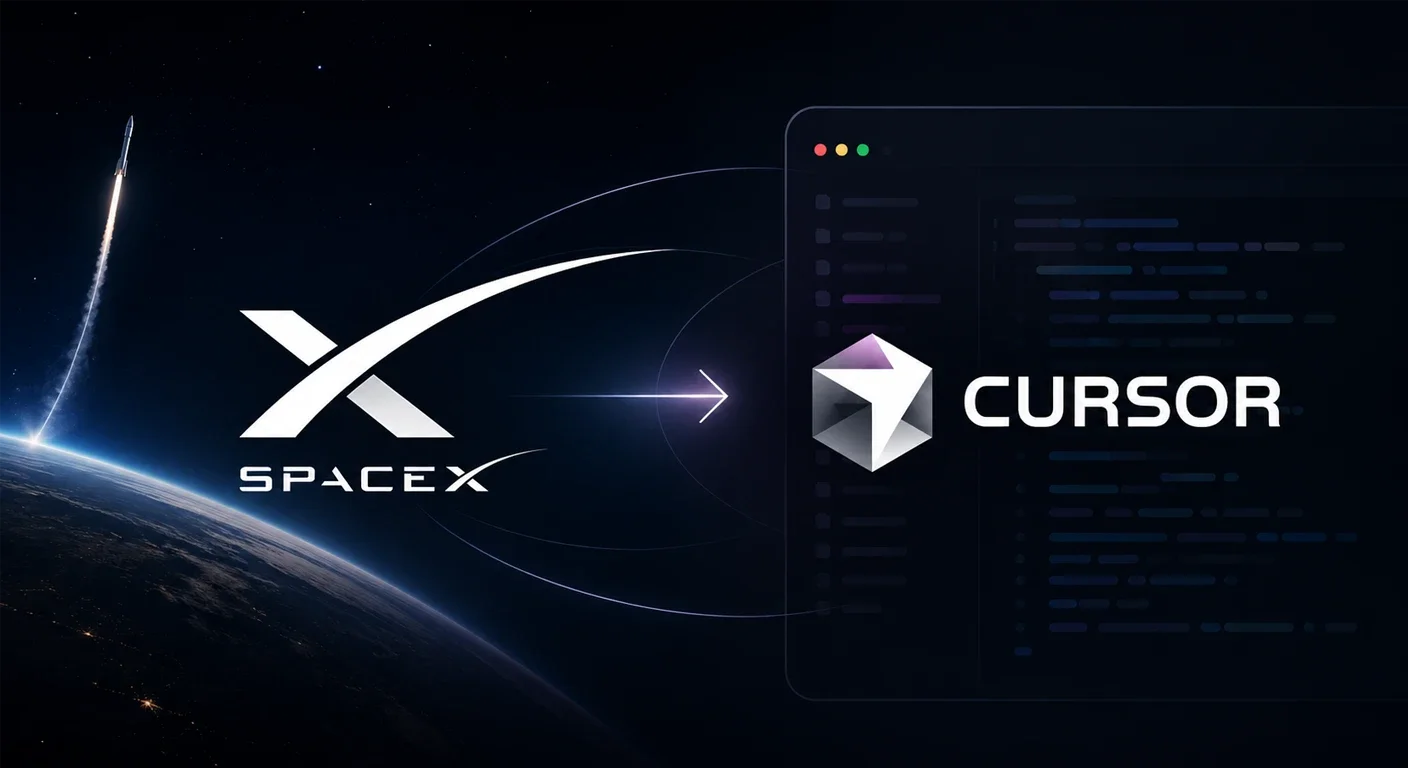
Cursor also used the Compile keynote to announce a new Cursor iOS app and a new frontier model being pre-trained from scratch in collaboration with SpaceX — context that signals Cursor is expanding far beyond its IDE roots.
What Is Not Yet Confirmed
Origin is waitlist-only. Cursor has not published pricing, capacity benchmarks under real-world load, GitHub Actions compatibility details, GDPR and data residency specifics, or a migration path for teams moving existing repositories. Engineering teams evaluating autonomous coding workflows should track whether Cursor publishes these specifics alongside any early-access program. The performance characteristics of the forge layer become a meaningful bottleneck the moment you run more than a handful of parallel agents against the same codebase — and until those numbers are independently verified, Origin is a strong product direction rather than a deployable infrastructure choice.