Anthropic Ships Claude Opus 4.8 With Dynamic Workflows and 3x Cheaper Fast Mode
Anthropic releases Claude Opus 4.8 with improved agentic coding benchmarks, a 3x cheaper Fast Mode, and Dynamic Workflows that run hundreds of parallel subagents inside Claude Code.

Image by Anthropic
Anthropic Ships Claude Opus 4.8 With Dynamic Workflows and 3x Cheaper Fast Mode
Anthropic released Claude Opus 4.8 on May 28, 2026, shipping incremental benchmark improvements across coding and reasoning alongside two major product additions: a Dynamic Workflows feature that lets Claude Code orchestrate hundreds of parallel subagents, and an effort control toggle for claude.ai. Fast Mode pricing has been cut by two-thirds from what previous models charged.
Pricing is unchanged for standard usage: $5 per million input tokens and $25 per million output tokens, the same as Opus 4.7. Fast Mode — the 2.5x-faster inference option — now costs $10 per million input tokens and $50 per million output tokens, down from 3x that price on prior models.
Benchmark Improvements
Opus 4.8 clears 69.2% on SWE-bench Pro, up from 64.3% for Opus 4.7. On the GDPval-AA knowledge-work evaluation, it scores 1,890 Elo — a 137-point gain over Opus 4.7's 1,753, and ahead of both GPT-5.5 and Gemini 3.1 Pro on that benchmark. On computer use, the model scores 84% on OSWorld-Verified, a meaningful jump over both Opus 4.7 and GPT-5.5.
One targeted improvement worth noting: Opus 4.8 is approximately four times less likely than its predecessor to let code flaws go unreported in agent outputs. In multi-step workflows where unreported errors compound across iterations, that calibration shift can have outsized practical impact.
Dynamic Workflows: Hundreds of Parallel Subagents in Claude Code
The headline product addition launching alongside the model is Dynamic Workflows, now available in research preview for Claude Code users on Enterprise, Team, and Max plans.
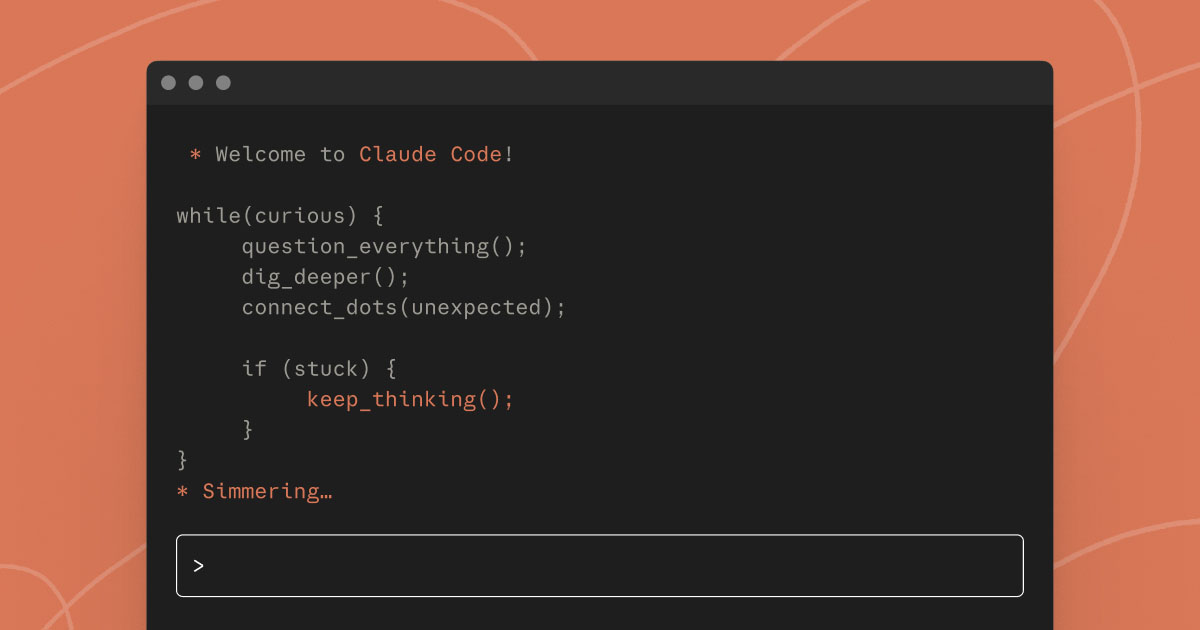
The feature changes how large tasks work in Claude Code. Instead of a single agent working through a codebase sequentially, the model can now plan a task, spawn hundreds of parallel subagents to execute different portions concurrently, and verify the combined output before reporting back. Anthropic says Claude Code with Opus 4.8 can carry out codebase-scale migrations across hundreds of thousands of lines of code — from kickoff to a merge-ready PR — using the existing test suite as its acceptance bar.
Dynamic Workflows is available now through this post on the Claude blog. Enterprise, Team, and Max subscribers can enable it from their Claude Code settings.
Effort Control and a Mid-Task API Addition
Two smaller but developer-relevant changes ship alongside the model.
Effort control is now available in claude.ai and Cowork as a selector next to the model picker. Higher effort settings push the model to think more deeply before responding, consuming more tokens in exchange for better answers on hard problems. Lower effort means faster responses and slower rate-limit drain. Opus 4.8 defaults to the "high" effort level. Claude Code also exposes xhigh and max effort settings for the most demanding tasks. Rate limits in Claude Code have been increased to accommodate the higher token usage at elevated effort levels.
System entries in the Messages API can now be placed inside the messages array rather than exclusively at the top-level system field. This lets developers update Claude's instructions — permissions, token budgets, environment context — mid-task, without breaking the prompt cache or routing the update through a user turn. For developers building multi-step agent harnesses, this removes a meaningful architectural constraint that previously required workarounds.
What Is Still Unclear
Anthropic has not published specific guidance on how Dynamic Workflows subagent token usage accrues against existing rate limits, and pricing beyond standard per-token rates has not been disclosed for the feature. Developers planning large codebase migrations should run smaller test cases first to establish token-consumption baselines before committing to fully autonomous runs.