Cursor Brings Cloud Agents to Jira With Native Work Item Integration
Cursor now lets teams assign Jira tickets directly to a cloud agent or mention @Cursor in any comment to trigger a task — completing the loop between where work is tracked and where it gets done.

Image by Cursor
Cursor shipped native Jira integration on May 19, allowing engineering teams to assign Jira work items directly to a cloud agent or mention @Cursor in any ticket comment to kick off a coding task without ever leaving their project management tool.
Cursor Closes the Gap Between Ticket and Pull Request
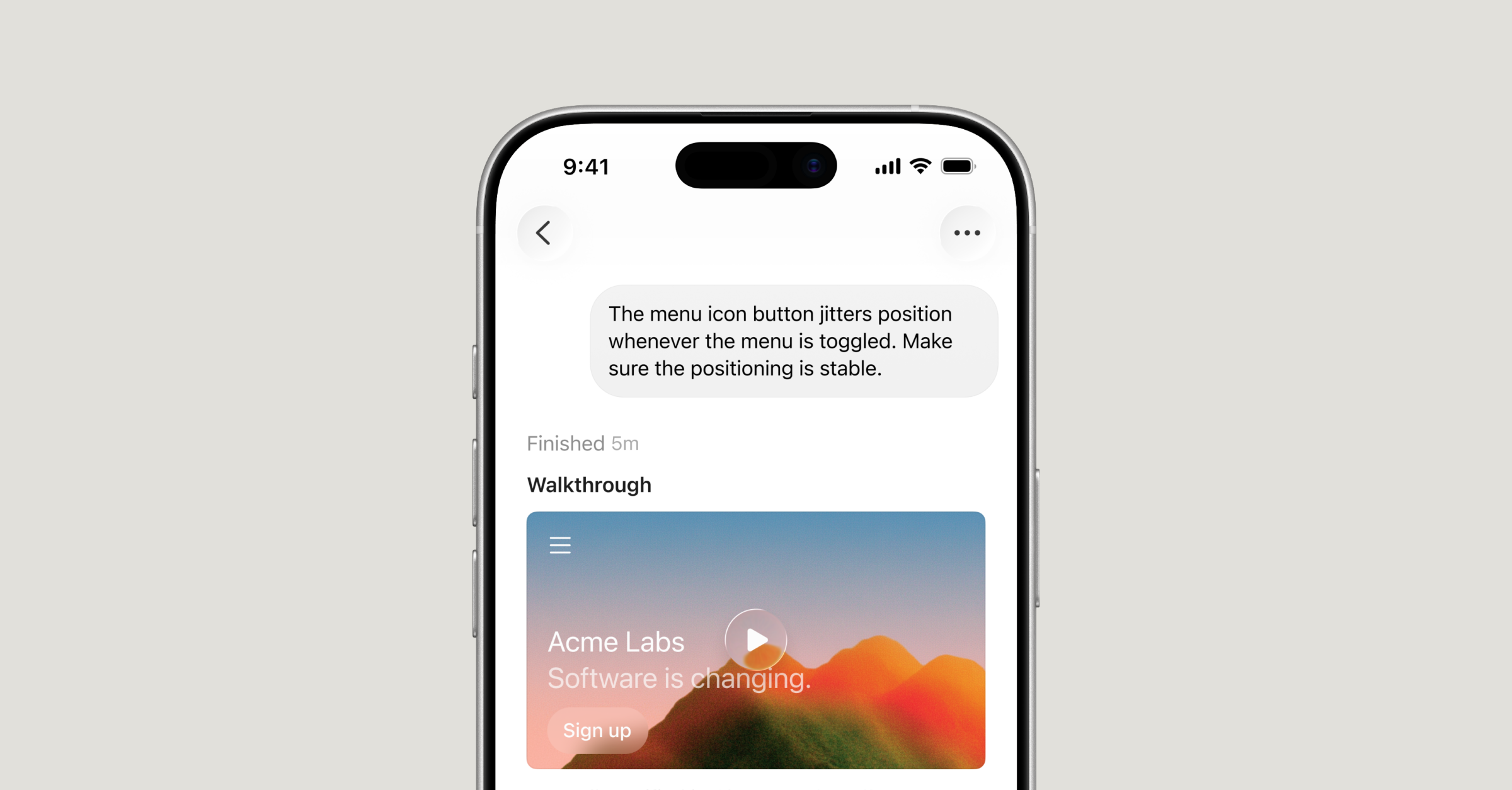
The integration connects Jira directly to Cursor's cloud agent infrastructure. When a work item is assigned to Cursor or a comment mentioning @Cursor is posted, the agent reads the full ticket — title, description, prior comments, and team repository settings — to scope the task. It then writes code, and when finished, posts a completion update in Jira alongside a link to the resulting pull request.
This is not a workaround using third-party MCP connectors. It is a first-party integration, installed from the Cursor integrations dashboard, that wires Cursor's cloud agent directly into Jira's assignment and commenting model. Jira treats Cursor the same way it treats a human team member: you assign it work, it updates you when it is done.
What You Need to Get Started
The setup requires Cursor admin access and Jira Commercial Cloud with Rovo enabled. Jira Cloud Standard, Premium, and Enterprise plans all support this, following Atlassian's move in May 2026 to make its Agents in Jira feature generally available across all tiers. The integration is installed from the Cursor integrations dashboard, and Cursor automatically picks the right repository and model based on your prompt and recent agent activity.
The agent uses context from the entire ticket thread before touching code — title, description, and any prior comments — so if a ticket already has a thread explaining the expected behavior, the agent reads all of it before writing a single line.
The Second Project Management Integration in Eight Days
The Jira release follows Cursor's Microsoft Teams integration from May 11, which allowed developers to mention @Cursor in any Teams channel to delegate tasks to a cloud agent. The back-to-back releases signal a deliberate strategy: embed Cursor in the tools where engineering work is planned and discussed, not just where it is written.
For teams evaluating how deeply to integrate AI agents into their workflows, the pattern matters. Rather than requiring engineers to context-switch into Cursor's own interface to queue up tasks, these integrations let work flow into the agent from wherever the team already operates — a Teams thread, a Jira sprint board, or both.
Developer Implications
Cursor's cloud agents have been running autonomously since launching with Computer Use in February 2026. Teams across Fortune 500 companies have been using them for background tasks like bug triage and test generation. The Jira integration adds a new trigger mechanism to that infrastructure: a ticket is the task description.
For developers, the immediate benefit is reduced handoff friction. Instead of copying a Jira ticket summary into a Cursor prompt, the agent reads the ticket directly. The resulting PR appears in the standard code review flow with no changes to how teams merge or review work.
The key constraint: this requires Jira Commercial Cloud with Rovo enabled. Teams on Jira Server or Data Center deployments are not supported at launch. Rovo is Atlassian's AI layer, and it is a hard prerequisite for the integration to function.