OpenAI Codex Gets Computer Use, Browser, and 111 Plugins
OpenAI's major Codex update ships background computer use for macOS, a built-in Atlas browser, gpt-image-1.5 generation, memory, and 111 new plugins — a preview of OpenAI's coming super app.
OpenAI
OpenAI Codex Expands Beyond Coding With Computer Use, Browser, and 111 New Plugins
OpenAI pushed a significant update to its Codex coding agent on April 16, rolling out background computer use, a built-in Atlas browser, image generation via gpt-image-1.5, memory features, and 111 new plugins to desktop app users. The release is the most expansive update to Codex since the desktop app launched, and by OpenAI's own framing, a deliberate preview of the company's coming unified super app.
"We're building the super app out in the open," Thibault Sottiaux, head of Codex, said during a press briefing. "This release is about developers. In the future, we will broaden it up to a wider audience."
The updated Codex is rolling out now to macOS desktop app users logged into their ChatGPT account. Several features — including computer use and memory — are not yet available in the EU, UK, or Switzerland.
Computer Use Runs Without Bogging Down Your Machine
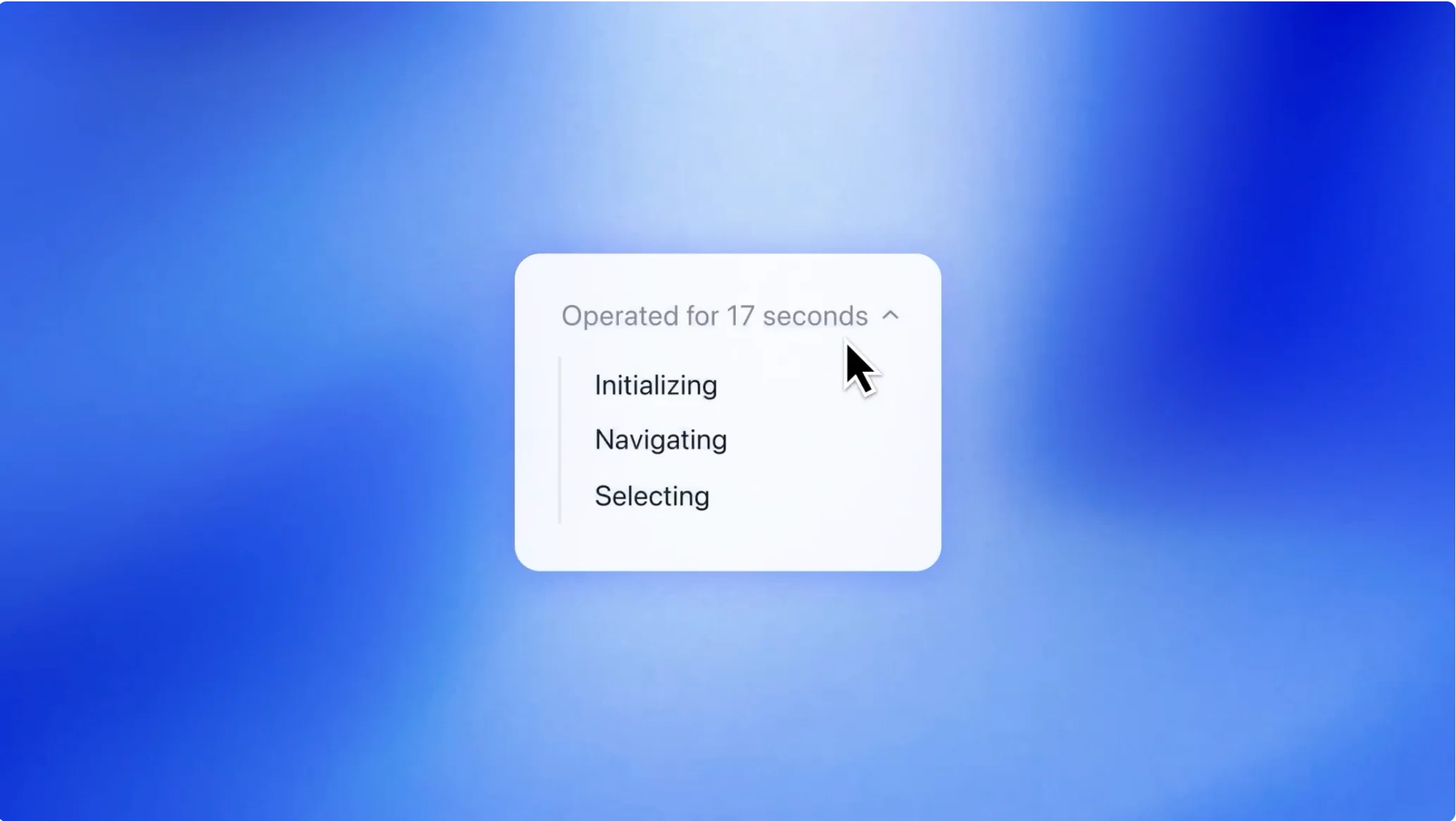
The headline capability is computer use: Codex can now see, click, and type into macOS applications using its own cursor, with multiple agents able to run simultaneously in the background without interrupting your own work. OpenAI says this is aimed at tasks that require a graphical interface and can't be handled through command-line tools or structured integrations — testing a macOS app, reproducing a UI-only bug, changing app settings, or running a browser-based workflow in parallel.
Computer use is already available in competing tools like Claude Cowork. OpenAI's claimed edge is a "secret sauce" approach that lets an agent operate apps without degrading system performance, so developers can continue working in other applications while Codex runs agent tasks simultaneously. The computer use capability was built with the team from Sky Applications Incorporated — the engineers originally behind Apple Shortcuts and Workflow — whom OpenAI acquired last fall.
To use computer use, developers install the Computer Use plugin from within Codex and grant macOS Screen Recording and Accessibility permissions. Intel Mac support has also been added in this release, extending Codex to non-Apple Silicon machines for the first time.
In-App Browser and Image Generation
Codex now includes a built-in browser powered by OpenAI's Atlas engine. It can open local and unauthenticated public pages, and lets developers comment directly on rendered web pages to give Codex precise, context-anchored instructions. In a demo, a Codex team member highlighted a chart where the y-axis was being cut off and prompted Codex to fix the margins — an example of the kind of tightly scoped visual feedback that the browser feature enables. OpenAI says browser control will expand beyond localhost web apps over time.
Built-in image generation powered by gpt-image-1.5 is also included. Codex can now generate product concept visuals, frontend mockups, and game assets directly within a coding thread. The model can also use screenshots to verify it is staying aligned with a request during a task — a visual feedback loop that brings image-based reasoning into the agent's workflow.
Memory and Proactive Suggestions
OpenAI is previewing two memory features. The first allows Codex to retain context across sessions — personal preferences, project conventions, and recurring work patterns — so future tasks require less setup. The second turns that accumulated context into proactivity: at the start of a session Codex scans connected tools and its own memory to surface a prioritized list of suggested actions, such as responding to an unaddressed Google Doc comment or picking up a stalled pull request.
Memory features require a ChatGPT account and are currently unavailable in the EU and UK.
111 New Plugins and Expanded Automations
OpenAI is releasing 111 new plugins covering skills, app integrations, and MCP server connections, expanding Codex's reach across the full development lifecycle. Developers can install plugin marketplaces directly from GitHub URLs, local directories, or marketplace.json files. Plugin access gives Codex richer context from the tools teams already rely on — version control, project management, communication platforms, and more.
Automations have also been extended. Codex can now schedule recurring tasks and resume long-running work automatically across multiple days or weeks. Teams can reuse existing conversation threads, and Codex can proactively suggest follow-up work based on connected integrations and accumulated context.
The Super App Context
This update is the first concrete preview of OpenAI's planned super app — a single desktop product that merges ChatGPT, Codex, and the Atlas browser, which the company confirmed in March. The addition of the Atlas browser engine, gpt-image-1.5 generation, and the plugin ecosystem to Codex's existing coding agent shows that architecture taking visible shape. Sottiaux's framing was explicit: each capability is being shipped to developers first as it becomes ready, with broader audiences to follow.
For developers currently using Codex as a coding agent, the practical result is a significantly expanded tool today. For the market, it signals OpenAI's intent to grow Codex from a specialized coding assistant into an ambient, agentic operating layer for knowledge work.
What's Unconfirmed
OpenAI has not provided a timeline for the full super app release or for when computer use and memory will reach EU and UK users. The proactive suggestion feature depends on plugin configuration that each developer must set up independently. It is not yet clear how memory persistence will interact with Codex's existing project and thread structure as the product continues to evolve toward its super app destination.